Homeowners and property enthusiasts are increasingly interested in understanding how these features contribute to comfort and property value over time.
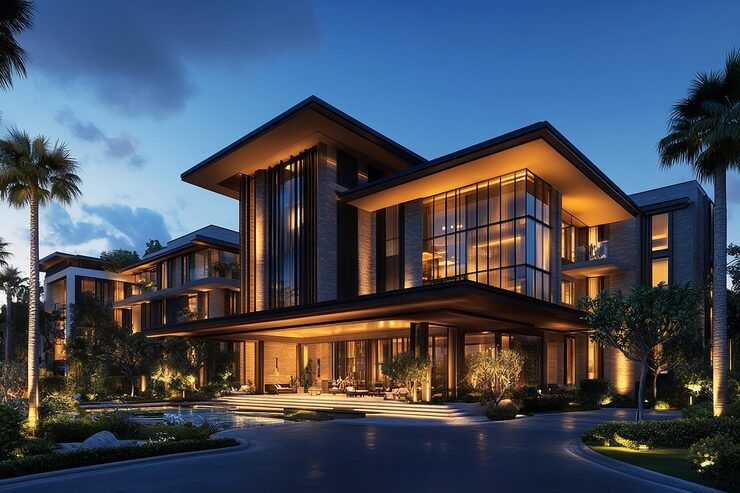
This guide explains the most common high-end property features, how they are used, and why they matter. Whether you are exploring luxury real estate trends or simply learning about premium home design, understanding these elements provides useful insight into today's residential market.
Spacious and Functional Floor Plans
One of the defining characteristics of high-end properties is a carefully planned floor layout. Instead of focusing only on size, these homes prioritize practical living spaces that support different activities throughout the day.
Common layout features include:
- Open living and dining areas
- Private bedroom wings
- Large kitchens connected to family spaces
- Dedicated study or office rooms
- Multi-purpose entertainment areas
- Guest accommodations with separate privacy
A balanced floor plan allows natural movement between rooms while maintaining comfort and privacy.
Premium Construction Materials
Material selection plays an important role in the overall quality of a property. Durable and attractive materials can improve longevity while reducing maintenance over time.
Frequently used materials include:
- Natural stone flooring
- Hardwood flooring
- Engineered wood finishes
- Marble countertops
- Quartz kitchen surfaces
- Architectural glass
- Stainless steel fixtures
- Solid wood cabinetry
These materials are selected because they combine durability with refined appearance.
Modern Kitchen Design
The kitchen has become one of the central spaces in contemporary homes. High-end properties often include kitchens designed for both daily cooking and social gatherings.
Typical kitchen features include:
- Large central islands
- Walk-in pantry storage
- Soft-close cabinets
- Integrated appliances
- Double sinks
- Ventilation systems
- Hidden storage compartments
- Easy-to-clean surfaces
Well-planned kitchens improve organization and simplify everyday routines.
Smart Home Technology
Technology has become a common feature in premium residential properties. Smart home systems allow residents to manage many household functions through mobile applications or centralized control panels.
Examples include:
- Smart lighting controls
- Automated window coverings
- Digital security systems
- Smart door locks
- Climate control automation
- Voice-controlled devices
- Energy monitoring systems
- Remote property management
These technologies simplify everyday tasks while improving convenience.
Energy Efficiency Features
Energy-efficient design has become increasingly important in residential construction. Many modern homes include systems that reduce energy consumption while maintaining comfortable indoor conditions.
Common energy-focused features include:
- Solar panel integration
- High-performance insulation
- Double- or triple-glazed windows
- LED lighting
- Energy-efficient HVAC systems
- Smart thermostats
- Water-saving plumbing fixtures
- Rainwater collection systems
These improvements support environmental awareness while reducing unnecessary energy waste.
Wellness-Oriented Living Spaces
Modern property design increasingly focuses on personal wellness. Dedicated spaces encourage relaxation, exercise, and healthy living.
Examples include:
- Home fitness rooms
- Yoga studios
- Meditation areas
- Indoor spa rooms
- Steam rooms
- Sauna facilities
- Massage rooms
- Quiet reading spaces
Natural lighting, fresh air circulation, and calming interior materials further contribute to a comfortable atmosphere.
Outdoor Living Areas
Outdoor spaces are now viewed as an extension of indoor living. Well-designed exterior areas encourage relaxation and social interaction throughout the year.
Popular outdoor features include:
- Covered patios
- Outdoor kitchens
- Dining terraces
- Swimming pools
- Fire pits
- Garden seating
- Landscaped walkways
- Water features
Careful landscaping also improves privacy and creates visually appealing surroundings.
Luxury Bathroom Features
Bathrooms in premium homes combine functionality with comfort. Modern layouts emphasize spaciousness and practical storage while incorporating refined finishes.
Common features include:
- Walk-in showers
- Freestanding bathtubs
- Heated flooring
- Double vanities
- Large mirrors
- Built-in storage
- Premium lighting
- Natural stone finishes
Good ventilation and moisture-resistant materials also contribute to long-term durability.
Dedicated Home Office Spaces
Remote work and flexible schedules have increased demand for home offices. High-end properties often include dedicated workspaces that provide a quiet and productive environment.
Important office features include:
- Sound insulation
- Built-in shelving
- Natural daylight
- High-speed internet wiring
- Video conferencing lighting
- Comfortable seating areas
- Organized storage
- Flexible desk arrangements
These spaces support both professional and personal activities.
Entertainment and Recreation Areas
Many premium homes include rooms designed specifically for recreation and family gatherings.
Examples include:
- Home theaters
- Game rooms
- Music rooms
- Library spaces
- Wine storage rooms
- Indoor lounges
- Hobby rooms
- Children's play areas
These areas create additional opportunities for leisure without leaving home.
Advanced Security Systems
Security remains an important consideration for modern residential properties. Technology allows homeowners to monitor their property more efficiently than ever before.
Frequently installed security features include:
- CCTV cameras
- Motion sensors
- Video doorbells
- Smart locks
- Alarm systems
- Entry access monitoring
- Exterior lighting automation
- Emergency communication systems
These systems work together to improve awareness and property protection.
Storage Solutions
Thoughtful storage contributes significantly to daily convenience. Premium homes often include customized storage designed around household needs.
Examples include:
- Walk-in wardrobes
- Built-in shelving
- Hidden cabinets
- Linen storage
- Mudrooms
- Garage organization systems
- Pantry storage
- Seasonal storage spaces
Organized storage reduces clutter and improves usability.
Sustainable Building Practices
Environmental responsibility has become an important aspect of modern residential construction. Sustainable building methods focus on reducing environmental impact throughout a property's lifespan.
Examples include:
- Recycled building materials
- Sustainably sourced wood
- Efficient insulation materials
- Low-emission finishes
- Water-efficient landscaping
- Native plant gardens
- Green roofing systems
- Environmentally conscious construction planning
These practices contribute to healthier living environments and resource conservation.
Architectural Design and Natural Light
Natural light remains one of the most appreciated elements in residential architecture. Well-positioned windows and open layouts allow sunlight to reach interior spaces throughout the day.
Architectural elements often include:
- Floor-to-ceiling windows
- Skylights
- Glass walls
- High ceilings
- Open staircases
- Interior courtyards
- Large balconies
- Scenic viewing areas
These features create brighter interiors and strengthen the connection between indoor and outdoor environments.
Future Trends in High-End Property Features
Residential design continues to evolve as technology and sustainability become more integrated into everyday living.
Emerging trends include:
- Artificial intelligence home automation
- Indoor air quality monitoring
- Electric vehicle charging stations
- Smart water management
- Flexible multi-purpose rooms
- Sustainable construction materials
- Biophilic interior design
- Climate-responsive architecture
These developments reflect changing lifestyles and growing interest in environmentally responsible living.
Conclusion
High-end property features extend far beyond appearance. They combine thoughtful architecture, durable materials, smart technology, sustainability, wellness, and practical design to create comfortable living environments. Modern residential properties increasingly emphasize functionality alongside aesthetics, allowing homeowners to enjoy spaces that adapt to changing lifestyles.
Understanding these features helps readers recognize how contemporary homes are designed to improve convenience, energy efficiency, organization, and overall living quality. As residential architecture continues to evolve, many of these innovations are expected to become increasingly common across future housing developments.