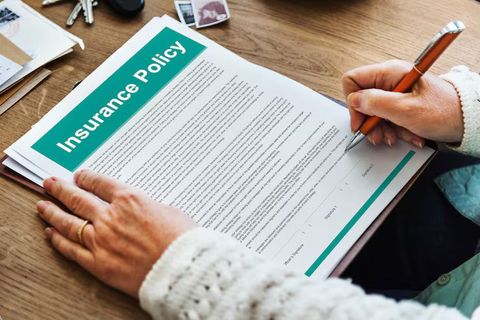
With urbanization accelerating in regions like India and globally, real estate transactions are becoming more data-driven and risk-aware. Buyers are no longer relying solely on visual impressions; instead, they use detailed checklists and professional inspections to minimize unexpected costs. Additionally, digital tools and inspection apps are making the process more standardized and transparent.
Recent trends also show increased attention to sustainability, energy efficiency, and safety compliance. Governments and financial institutions are emphasizing proper inspections before loan approvals or insurance issuance. As a result, having a comprehensive checklist is not just helpful—it is becoming essential for informed decision-making and long-term financial planning.

Who It Affects and What Problems It Solves
A property inspection checklist affects a wide range of stakeholders, including homebuyers, real estate investors, tenants, landlords, property managers, and even financial institutions. For first-time buyers, it acts as a safeguard against hidden defects that may lead to significant repair costs. For investors, it ensures that the property aligns with expected returns and does not carry unforeseen liabilities.
Property managers and landlords use inspection checklists to maintain asset value, ensure tenant safety, and comply with legal requirements. Tenants benefit by identifying issues before moving in, helping avoid disputes later. Additionally, banks and insurance companies often require inspection reports to assess risk before approving loans or policies.
Problems It Solves
- Hidden Defects Identification: Detects structural cracks, leaks, or faulty wiring early
- Cost Estimation Accuracy: Helps estimate repair and maintenance costs realistically
- Risk Reduction: Minimizes legal, financial, and safety risks
- Negotiation Support: Provides evidence for price negotiations
- Compliance Assurance: Ensures adherence to local building and safety regulations
- Long-term Planning: Enables better budgeting for future repairs and upgrades
Recent Updates and Trends
Over the past year, several trends have shaped how property inspections are conducted:
- Digital Inspection Tools: Mobile apps and cloud-based platforms now allow inspectors to document findings in real time, attach images, and generate automated reports
- AI and Predictive Analysis: Emerging tools are beginning to analyze inspection data to predict maintenance needs and potential failures
- Sustainability Focus: Increased emphasis on energy efficiency, insulation quality, and eco-friendly materials
- Regulatory Tightening: Many regions have updated safety codes, especially for fire safety, electrical compliance, and earthquake resistance
- Remote Inspections: Virtual walkthroughs and drone inspections are gaining popularity, particularly for large or inaccessible properties
- Standardization: Industry bodies are working toward standardized inspection formats to improve transparency and comparability
These developments indicate a shift toward more data-driven and technology-enabled property evaluation processes.
Property Inspection Checklist Overview Table
| Category | Key Elements to Check | Risk Level if Ignored | Recommended Action |
|---|---|---|---|
| Structural Integrity | Walls, foundation, cracks | High | Hire a structural engineer |
| Electrical Systems | Wiring, switches, circuit breakers | High | Professional electrical audit |
| Plumbing | Pipes, leaks, water pressure | Medium | Repair leaks, test flow |
| Roofing | Shingles, leakage, drainage | High | Inspect and repair/replace |
| HVAC Systems | Heating, cooling, and ventilation | Medium | Service and efficiency check |
| Safety Features | Fire alarms, extinguishers, exits | High | Install/upgrade as required |
| Interior Condition | Flooring, paint, fixtures | Low | Cosmetic or minor repairs |
| Exterior Condition | Walls, drainage, landscaping | Medium | Prevent water damage |
| Pest Inspection | Termites, rodents | Medium | Pest control treatment |
| Legal Compliance | Building codes, approvals | High | Verify documentation |
Laws or Policies and Practical Guidance
Property inspection practices are influenced by local laws, building codes, and regulatory frameworks. In India, for example, real estate transactions are governed by the Real Estate (Regulation and Development) Act (RERA), which emphasizes transparency and accountability in property dealings. While RERA does not mandate inspections directly, it encourages disclosure of property conditions and project details.
Additionally, municipal building codes define safety standards related to structural design, fire safety, electrical installations, and sanitation. Financial institutions often require property inspections before approving home loans to ensure the asset meets valuation and safety criteria.
Practical Guidance Based on Situations
- Buying a New Property: Focus on construction quality, compliance certificates, and developer reputation
- Purchasing Resale Property: Conduct a detailed inspection of aging components like plumbing and wiring
- Rental Agreements: Document the property condition to avoid disputes during move-out
- Investment Properties: Evaluate long-term maintenance costs and ROI impact
- Commercial Properties: Ensure compliance with fire safety, accessibility, and zoning regulations
Understanding applicable laws helps reduce legal risks and ensures that the property meets required standards.
Tools and Resources
Modern property inspections are supported by a variety of tools and resources that improve accuracy and efficiency:
Digital Tools and Apps
- Property inspection apps (mobile-based reporting tools)
- Checklist templates (customizable for different property types)
- Cloud storage for inspection reports
Technical Equipment
- Moisture meters for detecting leaks
- Thermal cameras for insulation and electrical issues
- Laser measuring devices for accurate dimensions
Online Resources
- Government property portals for legal verification
- Real estate platforms for price comparison and trends
- Building code reference websites
Professional Services
- Certified home inspectors
- Structural engineers
- Pest control experts
Using these tools ensures a more systematic and reliable inspection process.
Frequently Asked Questions
What is included in a property inspection checklist?
A property inspection checklist typically includes structural elements, electrical systems, plumbing, roofing, HVAC, safety features, and legal compliance checks.
Why is a property inspection important before buying?
It helps identify hidden defects, estimate repair costs, and avoid financial risks, enabling informed decision-making.
How long does a property inspection take?
Depending on property size and complexity, inspections can take anywhere from 1 to 4 hours, with reports generated afterward.
Can I do a property inspection myself?
Basic checks can be done independently, but professional inspections are recommended for technical areas like structure and electrical systems.
Are property inspections mandatory?
They are not always legally required, but are often necessary for loan approvals, insurance, and risk assessment.
Conclusion
A property inspection checklist is a critical tool for evaluating real estate assets in a structured and data-driven manner. It reduces uncertainty, improves transparency, and supports better financial and legal decisions. With increasing regulatory focus and technological advancements, inspections are becoming more standardized and efficient.
Data trends indicate that properties evaluated through detailed inspections tend to have fewer post-purchase disputes and more accurate pricing outcomes. For buyers, tenants, and investors, using a comprehensive checklist is not just a precaution—it is a strategic necessity.
Final Recommendation: Always combine a structured checklist with professional inspection services for high-value transactions. This approach ensures both accuracy and reliability, minimizing long-term risks.