This topic has gained importance due to rising real estate costs, stricter safety regulations, and increased awareness of sustainability. Property owners are now expected to maintain energy efficiency, ensure tenant safety, and extend asset lifespan. Additionally, trends such as smart home systems, IoT-enabled monitoring, and green building certifications are influencing how maintenance is planned and executed.
The impact is significant: well-maintained properties retain higher market value, reduce operational costs, and improve occupant satisfaction. Conversely, neglecting maintenance can lead to structural issues, legal liabilities, and financial losses. Therefore, a comprehensive and organized checklist is no longer optional—it is a critical operational tool.
Who It Affects and What Problems It Solves
Property maintenance affects a wide range of stakeholders, including homeowners, landlords, tenants, property managers, housing societies, and commercial facility operators. For homeowners, it ensures a safe and comfortable living environment while protecting long-term investment value. Landlords and property managers rely on maintenance to meet tenant expectations, reduce vacancy rates, and comply with legal standards.
In commercial settings, maintenance directly impacts operational efficiency, employee productivity, and customer experience. For example, poor HVAC maintenance can disrupt business operations, while neglected safety systems may lead to compliance violations.
Problems It Solves
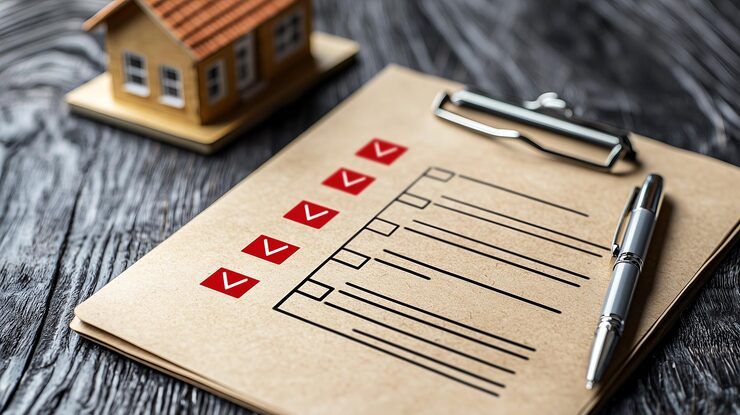
A structured property maintenance checklist addresses several common challenges:
- Unexpected Repair Costs: Regular inspections help identify minor issues before they become expensive repairs.
- Safety Risks: Ensures electrical systems, fire equipment, and structural elements are functioning properly.
- Regulatory Non-Compliance: Helps meet building codes, safety standards, and environmental regulations.
- Asset Depreciation: Prevents premature wear and tear, preserving property value.
- Operational Inefficiencies: Improves energy usage and system performance through timely servicing.
By systematically addressing these issues, a checklist reduces uncertainty and enhances decision-making.
Recent Updates and Trends
Over the past year, property maintenance practices have been influenced by technology integration, sustainability goals, and regulatory updates.
- Smart Maintenance Systems: IoT devices are increasingly used to monitor equipment performance in real time. Sensors can detect leaks, temperature changes, or system failures, enabling predictive maintenance.
- Sustainability Focus: Governments and organizations are encouraging energy-efficient practices such as regular HVAC servicing, insulation checks, and water conservation measures.
- Digital Checklists and Apps: Paper-based systems are being replaced by mobile apps that allow real-time updates, task automation, and maintenance tracking.
- Post-Pandemic Hygiene Standards: Increased focus on sanitation, ventilation, and indoor air quality has added new tasks to maintenance routines.
- Data-Driven Decision Making: Maintenance schedules are now often based on usage data rather than fixed timelines, improving efficiency and reducing costs.
These trends indicate a shift toward proactive, technology-enabled maintenance strategies.
Property Maintenance Checklist Overview
Below is a structured checklist covering key maintenance areas:
| Category | Task | Frequency | Purpose |
|---|---|---|---|
| Structural | Inspect walls, roof, and foundation | Annually | Prevent structural damage |
| Electrical | Check wiring, switches, and panels | Bi-annually | Ensure safety and compliance |
| Plumbing | Inspect pipes, leaks, and drainage | Quarterly | Avoid water damage and wastage |
| HVAC Systems | Clean filters, service units | Quarterly | Improve efficiency and air quality |
| Safety Equipment | Test fire alarms, extinguishers | Monthly | Ensure emergency readiness |
| Exterior Maintenance | Clean gutters, inspect paint | Bi-annually | Protect against weather damage |
| Pest Control | Inspect and treat infestations | Quarterly | Maintain hygiene and structure |
| Appliances | Service major appliances | Annually | Extend lifespan and performance |
| Water Systems | Check tanks, pumps | Quarterly | Ensure uninterrupted supply |
| Common Areas | Clean and inspect shared spaces | Weekly | Enhance usability and safety |
This checklist can be customized based on property type, climate, and usage.
Laws and Policies
Property maintenance is influenced by various laws and regulations, which vary by country but generally focus on safety, environmental standards, and tenant rights.
Key Regulatory Areas
- Building Safety Codes: Require regular inspection of structural elements, electrical systems, and fire safety equipment.
- Health and Sanitation Regulations: Mandate proper waste management, pest control, and ventilation standards.
- Energy Efficiency Policies: Encourage or require energy audits, efficient appliances, and insulation improvements.
- Tenant Protection Laws: Landlords must ensure habitable living conditions, including functional utilities and safe environments.
Practical Guidance
- For Homeowners: Focus on compliance with local building codes and safety standards, especially during renovations.
- For Landlords: Maintain detailed records of inspections and repairs to avoid legal disputes with tenants.
- For Commercial Properties: Adhere to stricter safety and accessibility regulations, including fire safety certifications and emergency preparedness plans.
Understanding and following these policies helps avoid penalties and ensures long-term property sustainability.
Tools and Resources
Modern property maintenance is supported by a variety of tools and resources that improve efficiency and accuracy.
Digital Tools
- Maintenance Management Software: Helps schedule tasks, track repairs, and manage work orders.
- Mobile Apps: Enable real-time updates, inspections, and checklist completion.
- IoT Devices: Monitor temperature, humidity, and system performance.
- Energy Calculators: Analyze energy consumption and identify savings opportunities.
Templates and Checklists
- Pre-designed maintenance templates for residential and commercial properties
- Seasonal maintenance checklists (summer, monsoon, winter)
- Inspection reports and audit forms
Online Resources
- Government websites for building codes and safety guidelines
- Industry blogs and research reports on maintenance best practices
- Training modules for facility management professionals
Using these tools ensures consistency, reduces manual errors, and enhances productivity.
Frequently Asked Questions
What is a property maintenance checklist?
A property maintenance checklist is a structured list of tasks used to inspect, maintain, and repair different components of a property regularly.
How often should property maintenance be done?
Maintenance frequency depends on the task. Some tasks, like cleaning, are weekly, while others, like structural inspections, are annual.
Why is preventive maintenance important?
Preventive maintenance helps identify issues early, reducing repair costs and preventing system failures.
Can property maintenance increase property value?
Yes, well-maintained properties tend to retain or increase their market value due to better condition and lower risk.
What tools are commonly used for property maintenance?
Common tools include maintenance software, mobile apps, IoT monitoring devices, and inspection templates.
Conclusion
Property maintenance checklists play a critical role in ensuring the safety, efficiency, and longevity of buildings. Data-driven approaches and digital tools have transformed maintenance from a reactive process into a proactive strategy. Studies in facility management consistently show that preventive maintenance can reduce repair costs and extend asset lifespan significantly compared to reactive maintenance.
A structured checklist not only simplifies maintenance tasks but also ensures compliance with regulations and improves overall property performance. For homeowners, it protects investment value; for landlords and managers, it enhances operational efficiency and tenant satisfaction.
The most effective approach is to adopt a customized checklist supported by digital tools and aligned with regulatory requirements. This ensures consistent monitoring, timely action, and long-term sustainability.