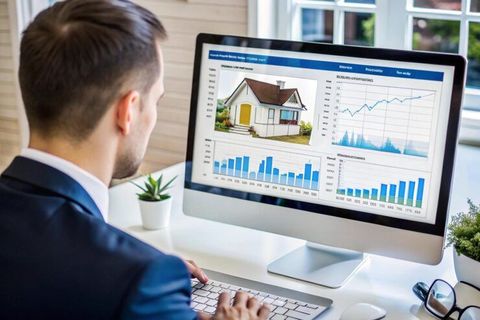
In recent years, rental property maintenance has become more data-driven and technology-enabled. Trends such as predictive maintenance, digital property management tools, and sustainability-focused upgrades are shaping how maintenance is planned and executed. Rising tenant expectations, stricter housing regulations, and increasing repair costs have also made efficient maintenance strategies more important than ever.
This topic matters today because poorly maintained properties can lead to higher vacancy rates, legal risks, and increased long-term costs. On the other hand, structured maintenance practices can improve tenant satisfaction, reduce unexpected expenses, and extend the lifespan of property assets. Understanding these dynamics helps stakeholders make informed decisions and maintain operational efficiency.
Who It Affects and What Problems It Solves
Rental property maintenance directly affects multiple stakeholders, including landlords, property managers, tenants, and real estate investors. Landlords rely on proper maintenance to protect their investment and ensure consistent rental income. Property managers are responsible for coordinating repairs, managing vendors, and maintaining compliance with safety standards. Tenants, on the other hand, depend on timely maintenance for a safe and comfortable living environment.
From a broader perspective, maintenance practices also influence housing quality standards within communities. Poorly maintained properties can negatively impact neighborhood value, while well-maintained units contribute to stable housing markets.
Problems It Solves
- Unexpected Repair Costs: Preventive maintenance reduces the likelihood of costly emergency repairs.
- Tenant Turnover: Well-maintained properties improve tenant retention and satisfaction.
- Legal Risks: Ensures compliance with housing and safety regulations, reducing liability.
- Property Depreciation: Regular upkeep preserves long-term asset value.
- Operational Inefficiency: Structured maintenance schedules streamline property management workflows.
Recent Updates and Trends
Over the past year, several trends have influenced rental property maintenance:
- Shift Toward Preventive Maintenance: More landlords are adopting scheduled inspections and servicing rather than reactive repairs. This reduces long-term costs and improves efficiency.
- Technology Integration: Property management platforms now offer maintenance tracking, automated reminders, and digital work orders, improving transparency and accountability.
- Sustainability Focus: Energy-efficient appliances, water-saving fixtures, and eco-friendly materials are becoming standard in maintenance upgrades.
- Rising Material and Labor Costs: Inflation and supply chain disruptions have increased maintenance expenses, prompting more strategic planning.
- Tenant Expectations: Tenants increasingly expect faster response times and better living conditions, influenced by digital service standards.
These changes highlight the need for structured, data-informed maintenance strategies rather than ad hoc approaches.
Rental Property Maintenance Comparison Table
| Maintenance Type | Description | Frequency | Cost Impact | Benefit Level |
|---|---|---|---|---|
| Preventive Maintenance | Scheduled inspections and servicing | Monthly/Quarterly | Moderate upfront | High long-term |
| Corrective Maintenance | Repairs after a problem occurs | As needed | Variable | Medium |
| Emergency Maintenance | Urgent repairs (e.g., plumbing, electrical) | Immediate | High | Critical |
| Predictive Maintenance | Data-based monitoring to predict failures | Ongoing | Higher initial | Very high efficiency |
| Cosmetic Maintenance | Painting, cleaning, aesthetic improvements | Annual/Periodic | Low to moderate | Improves appeal |
Laws and Policies Affecting Rental Property Maintenance
Rental property maintenance is closely regulated in many countries, including India. Landlords are legally required to ensure that rental properties meet basic habitability standards. These typically include access to clean water, proper sanitation, structural safety, and functional electrical systems.
Key Regulatory Considerations
- Habitability Standards: Properties must be safe and livable, with functioning utilities and structural integrity.
- Tenant Rights: Tenants can request repairs and, in some cases, take legal action if maintenance is neglected.
- Security Deposit Rules: In some jurisdictions, maintenance-related deductions must be justified and documented.
- Local Municipal Regulations: Cities may impose additional requirements for building safety, waste management, and fire compliance.
Practical Guidance
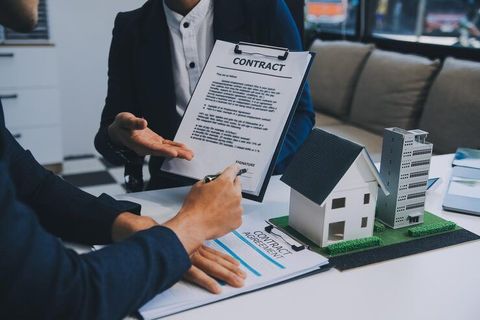
- Use written agreements that clearly define maintenance responsibilities.
- Maintain records of inspections and repairs for legal protection.
- Respond promptly to maintenance requests to avoid disputes.
- Stay updated with local housing laws to ensure compliance.
Tools and Resources for Rental Property Maintenance
Effective maintenance management often relies on digital tools and structured resources. These help streamline operations and improve decision-making.
Common Tools
- Property Management Software: Tracks maintenance requests, schedules inspections, and manages tenant communication.
- Maintenance Checklists: Standardized templates for inspections and routine tasks.
- Budget Calculators: Helps estimate annual maintenance costs (typically 1–2% of property value).
- Vendor Management Systems: Organizes contractors and service providers.
- IoT Devices: Smart sensors for detecting leaks, temperature changes, or equipment failures.
Useful Resources
- Government housing authority websites for compliance guidelines
- Online templates for lease agreements and maintenance logs
- Educational blogs and forums focused on property management
- Financial planning tools for long-term maintenance budgeting
Frequently Asked Questions (FAQ)
What is the most important type of rental property maintenance?
Preventive maintenance is often considered the most important because it reduces the likelihood of costly repairs and ensures consistent property performance.
How often should rental properties be inspected?
Routine inspections are typically conducted every 3–6 months, with additional checks during tenant turnover.
Who is responsible for maintenance in a rental property?
Responsibility is usually shared. Landlords handle structural and major repairs, while tenants may be responsible for minor upkeep, depending on the lease agreement.
How can landlords reduce maintenance costs?
By implementing preventive maintenance, using durable materials, and maintaining a reliable network of service providers.
What are common maintenance issues in rental properties?
Common issues include plumbing leaks, electrical faults, HVAC system failures, and general wear and tear.
Conclusion
Rental property maintenance is a critical component of successful property management, influencing both financial performance and tenant satisfaction. Data-driven approaches, such as preventive and predictive maintenance, have proven to reduce long-term costs and improve operational efficiency. With rising expenses and evolving tenant expectations, structured maintenance strategies are no longer optional but essential.
A balanced approach—combining regular inspections, timely repairs, and compliance with legal standards—provides the most effective results. For most property owners, prioritizing preventive maintenance and leveraging digital tools offers the best return on investment. Ultimately, consistent and well-planned maintenance ensures property longevity, stable rental income, and a positive tenant experience.