In recent years, rental property management has gained increased importance due to shifting housing patterns, urbanization, and rising rental demand. The growth of remote work, migration to tier-2 cities, and the expansion of digital property platforms have reshaped how landlords and tenants interact. Additionally, stricter regulations and tenant protection laws have made compliance more critical than ever.
Technology has also significantly impacted this space. From automated rent collection tools to AI-based tenant screening systems, property management is becoming more data-driven and efficient. Understanding the fundamentals is essential for beginners who want to navigate this evolving landscape effectively and avoid common pitfalls.
Who It Affects and What Problems It Solves
Rental property management impacts a wide range of stakeholders, including property owners, tenants, real estate investors, and property management firms. For landlords, especially first-time investors, managing a rental property can be time-consuming and complex. Tasks like handling tenant complaints, maintaining the property, and ensuring timely rent collection can quickly become overwhelming.
Tenants are also directly affected, as effective management leads to better living conditions, timely repairs, and transparent communication. Poor management, on the other hand, can result in disputes, maintenance delays, and dissatisfaction.
From an investment perspective, property management plays a crucial role in maximizing returns and minimizing risks. Investors rely on structured management practices to maintain occupancy rates and reduce tenant turnover.
Problems It Solves
- Tenant-related issues: Screening helps reduce defaults and disputes
- Maintenance challenges: Regular upkeep prevents costly repairs
- Legal compliance risks: Ensures adherence to rental laws and contracts
- Income inconsistency: Streamlines rent collection and financial tracking
- Time management: Reduces workload for property owners
Recent Updates and Trends
The rental property management sector has seen several notable developments over the past year:
Digital Transformation
Property management platforms have expanded their capabilities, offering features like automated lease agreements, digital payments, and maintenance tracking. This reduces manual effort and improves transparency.
Rise of Co-Living and Flexible Rentals
Urban areas are witnessing a surge in co-living spaces and short-term rental models. These require more dynamic management strategies compared to traditional long-term rentals.
Increased Regulatory Oversight
Governments in various countries, including India, have introduced or strengthened tenancy laws to protect both landlords and tenants. This has made documentation and compliance more critical.
Sustainability Focus
Energy-efficient buildings and eco-friendly practices are becoming more important. Tenants increasingly prefer properties with lower utility costs and sustainable features.
Data-Driven Decision Making
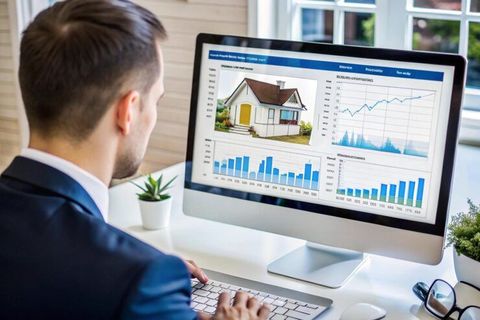
Landlords are using analytics tools to determine optimal rent pricing, track occupancy trends, and forecast maintenance costs.
Key Components of Rental Property Management
| Aspect | Description | Importance Level |
|---|---|---|
| Tenant Screening | Background checks, credit evaluation, and references | High |
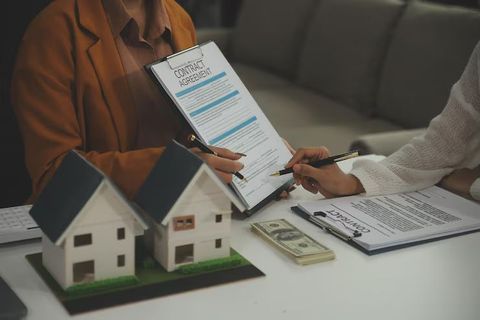
| Lease Management | Drafting agreements and handling renewals | High |
| Rent Collection | Ensuring timely payments through manual or automated systems | High |
| Maintenance & Repairs | Regular inspections and issue resolution | Medium-High |
| Financial Management | Budgeting, expense tracking, and reporting | High |
| Legal Compliance | Adhering to local rental laws and regulations | Critical |
| Communication | Managing tenant queries and feedback | Medium |
Laws and Policies
Rental property management is significantly influenced by local laws and government regulations. In India, for example, the Model Tenancy Act (MTA) has been introduced to create a balanced framework for landlords and tenants.
Key Legal Considerations
- Lease Agreements: Must clearly define rent, duration, and responsibilities
- Security Deposits: Often regulated to prevent excessive charges
- Eviction Rules: Legal procedures must be followed strictly
- Maintenance Responsibilities: Clearly divided between landlord and tenant
- Rent Control Laws: In some regions, rent increases are regulated
Practical Guidance
- For Individual Landlords: Ensure proper documentation and tenant verification
- For Investors: Stay updated with regional laws to avoid penalties
- For Property Managers: Use standardized contracts and compliance checklists
Failing to comply with regulations can lead to legal disputes, financial penalties, and reputational damage.
Tools and Resources
Modern property management relies heavily on digital tools that simplify operations and improve efficiency.
Common Tools
- Property Management Software: For rent tracking, lease management, and reporting
- Tenant Screening Platforms: Background and credit checks
- Accounting Tools: Expense tracking and financial reporting
- Maintenance Management Apps: Track repair requests and vendor coordination
- Online Payment Systems: Enable automated rent collection
Useful Resources
- Rental agreement templates
- Local government housing portals
- Real estate investment forums
- Market analysis reports
- Property valuation calculators
Using the right combination of tools can significantly reduce manual effort and improve decision-making accuracy.
Frequently Asked Questions (FAQ)
What is rental property management?
Rental property management involves overseeing the operation, maintenance, and financial aspects of rental properties to ensure smooth functioning and profitability.
Do I need a property manager for a single property?
Not necessarily. Many landlords manage single properties themselves, but hiring a manager can save time and reduce stress.
How is rent typically collected?
Rent can be collected through bank transfers, online payment platforms, or property management software with automated reminders.
What are the biggest challenges in property management?
Tenant issues, maintenance costs, legal compliance, and vacancy management are among the most common challenges.
How can I ensure legal compliance?
Stay updated with local rental laws, use proper lease agreements, and maintain accurate records of all transactions and communications.
Conclusion
Rental property management is a multifaceted discipline that combines operational efficiency, legal compliance, and financial planning. With increasing rental demand and evolving regulations, structured management practices have become essential for both new and experienced landlords.
Data-driven tools and digital platforms are transforming how properties are managed, making processes more efficient and transparent. At the same time, regulatory frameworks like tenancy laws are ensuring fairness and accountability in landlord-tenant relationships.
For beginners, the key takeaway is to start with strong fundamentals: proper tenant screening, clear agreements, and consistent maintenance practices. As complexity grows, adopting technology and staying informed about legal updates becomes crucial.
In most cases, self-management works well for small portfolios, but as the number of properties increases, professional management or software solutions become more practical. Ultimately, effective property management leads to stable income, reduced risks, and long-term asset growth.