From adjusting indoor temperatures to monitoring security cameras remotely, connected systems are becoming an important part of contemporary home design.
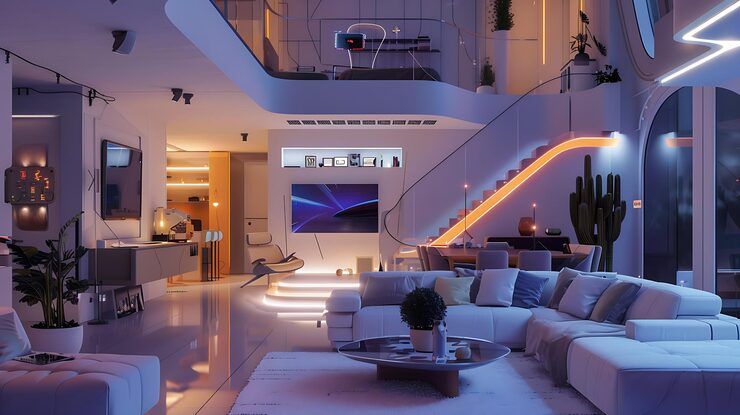
This guide explains what smart luxury homes are, how they work, the technologies involved, their advantages, possible challenges, and future developments. Whether you are curious about home automation or exploring modern housing trends, understanding these features provides useful knowledge about today's connected homes.
What Are Smart Luxury Homes?
A smart luxury home is a residence equipped with advanced digital technologies that automate and monitor different household functions. These homes combine premium architecture, thoughtful interior design, and intelligent systems that communicate with each other.
Unlike traditional homes, smart luxury homes allow residents to control multiple devices through smartphones, tablets, voice assistants, or centralized control panels. Many systems also operate automatically based on schedules, sensors, or environmental conditions.
Common smart home functions include:
- Intelligent lighting
- Climate control
- Security monitoring
- Smart entertainment
- Automated window coverings
- Connected kitchen appliances
- Water management systems
- Energy monitoring
The goal is to create a home environment that is comfortable, organized, and responsive to daily routines.
How Smart Home Technology Works
Smart homes depend on connected devices that communicate through wireless or wired networks. These devices exchange information using technologies such as Wi-Fi, Bluetooth, Zigbee, Z-Wave, or Thread.
A central hub or automation platform coordinates communication between devices. Residents can access these systems through mobile applications, voice assistants, or wall-mounted touch panels.
For example, a morning routine may automatically:
- Open window blinds
- Turn on selected lights
- Adjust room temperature
- Play morning news
- Start the coffee machine
Instead of operating each device separately, the automation platform performs multiple actions together.
Important Features of Smart Luxury Homes
Intelligent Lighting
Smart lighting systems allow homeowners to control brightness, color temperature, and scheduling throughout the house.
Motion sensors can automatically illuminate hallways, while outdoor lights may activate at sunset. Lighting scenes can also create different moods for dining, reading, or entertaining guests.
Smart Climate Control
Connected thermostats continuously monitor indoor conditions.
These systems can:
- Maintain comfortable temperatures
- Adjust heating and cooling schedules
- Respond to weather conditions
- Reduce unnecessary energy use
Some advanced systems learn household routines and automatically adapt over time.
Advanced Security Systems
Security technology has become one of the most recognized parts of smart luxury homes.
Modern security systems may include:
- Smart door locks
- Video doorbells
- Motion detectors
- Indoor and outdoor cameras
- Glass break sensors
- Smoke detectors
- Water leak sensors
Residents receive notifications when unusual activity is detected, allowing quick awareness even while away from home.
Voice Control
Voice assistants allow hands-free control of connected devices.
Residents can use simple spoken commands to:
- Turn the lights on or off
- Adjust temperature
- Lock doors
- Play music
- Control televisions
- Check security cameras
Voice control adds convenience without requiring physical switches or remote controls.
Home Entertainment
Entertainment systems in smart luxury homes connect televisions, speakers, streaming devices, and media servers.
Multi-room audio allows music to play throughout different parts of the home, while centralized control makes it easier to manage multiple entertainment devices.
Automated Window Treatments
Motorized blinds and curtains can operate according to schedules or sunlight levels.
These systems may:
- Reduce indoor heat during sunny afternoons
- Improve privacy
- Support energy efficiency
- Create comfortable indoor lighting
Automation also reduces the need for manual adjustments throughout the day.
Smart Kitchen Technology
Luxury kitchens increasingly include connected appliances.
Examples include:
- Smart refrigerators
- Connected ovens
- Intelligent dishwashers
- Automated coffee machines
- Smart cooking assistants
These appliances can provide maintenance reminders, cooking notifications, and remote monitoring through mobile applications.
Energy Management
Energy efficiency is becoming an important consideration in modern luxury homes.
Smart energy systems help monitor electricity consumption across different household devices.
Common features include:
- Real-time energy tracking
- Smart electrical panels
- Solar energy monitoring
- Battery storage integration
- Electric vehicle charging management
Monitoring usage allows residents to understand where electricity is being consumed throughout the home.
Water Management Systems
Connected water systems help monitor household water usage and detect unusual activity.
Examples include:
- Leak detection sensors
- Smart irrigation controllers
- Water flow monitoring
- Automatic shut-off valves
These technologies help identify plumbing issues before significant damage occurs.
Benefits of Smart Luxury Homes
Smart home technology provides several practical advantages.
Improved Convenience
Many daily household tasks become automated, reducing repetitive manual actions.
Residents can manage household systems from almost anywhere using connected devices.
Enhanced Comfort
Indoor lighting, temperature, and entertainment settings can automatically adjust according to personal preferences or daily routines.
Increased Safety
Connected sensors continuously monitor the home and provide alerts for unusual situations such as smoke, water leaks, or unexpected movement.
Better Energy Awareness
Energy monitoring systems provide detailed information about electricity usage, helping households understand consumption patterns.
Centralized Control
Instead of managing numerous independent devices, residents can access multiple household systems from a single interface.
Things to Consider
Although smart luxury homes provide many advantages, several factors deserve attention.
Privacy
Connected devices collect information to improve automation. Understanding privacy settings and account permissions is an important part of using smart technology responsibly.
Cybersecurity
Since devices connect to the internet, strong passwords, regular software updates, and secure home networks help reduce digital security risks.
Compatibility
Not every smart device communicates with every platform. Choosing compatible products supports smoother integration.
Internet Dependence
Many connected features rely on stable internet access. Some functions may become limited during network interruptions.
Future Trends
Smart luxury homes continue evolving as technology advances.
Emerging developments include:
- Artificial intelligence for personalized automation
- Predictive maintenance for household equipment
- Improved energy optimization
- Health monitoring through indoor environmental sensors
- Expanded integration between home systems
- Smarter electric vehicle charging
- More advanced voice interaction
As connected technologies mature, homes are becoming increasingly capable of adapting to changing lifestyles.
Choosing Smart Home Features
When evaluating smart home technology, it helps to focus on everyday needs rather than adding every available feature.
Questions worth considering include:
- Which rooms would benefit most from automation?
- Which devices work together?
- Is the platform easy to manage?
- Can additional devices be added later?
- Are software updates available regularly?
Planning around daily routines often results in a more practical and organized smart home environment.
Conclusion
Smart luxury homes represent the combination of elegant residential design and connected technology. Intelligent lighting, climate control, advanced security, entertainment systems, and energy monitoring create homes that are easier to manage while supporting comfort and efficiency.
As technology continues to develop, connected homes are expected to become even more adaptable, helping households manage everyday living through automation and intelligent control. Understanding these technologies allows homeowners, designers, and anyone interested in modern housing to appreciate how smart systems are shaping residential living today.