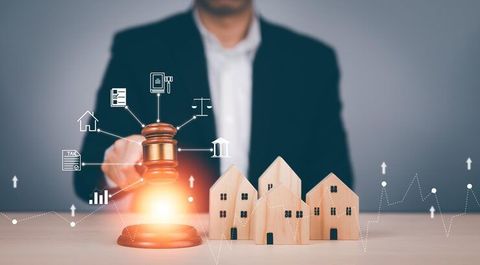
This approach is often called smart property management. It combines technology, planning, and communication to improve the way properties are maintained and managed.
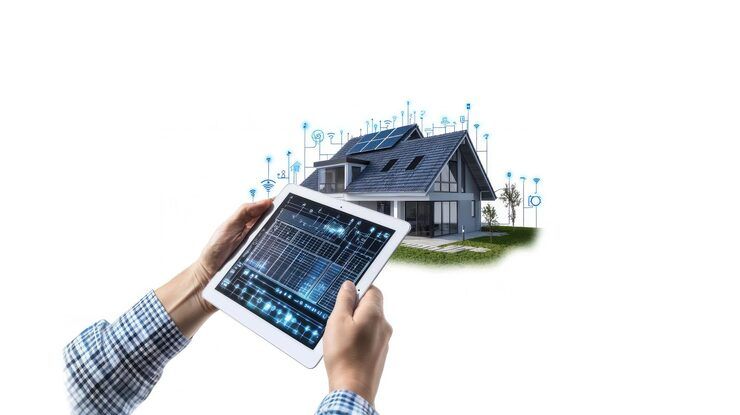
This guide explains what smart property management is, how it works, its main features, common technologies, benefits, challenges, and practical ways to get started.
What Is Smart Property Management?
Smart property management is the use of digital systems and connected devices to support everyday property operations. Instead of relying only on paper records or manual processes, managers use software, mobile applications, and smart equipment to organize information and monitor building activities.
These tools help with tasks such as:
- Tracking maintenance requests
- Managing lease information
- Monitoring energy use
- Recording inspections
- Communicating with residents or tenants
- Scheduling routine maintenance
The goal is not to replace people but to make everyday work more organized and efficient.
Why Property Management Is Changing
Buildings have become more complex over the years. Many properties now include security systems, electronic access, smart lighting, connected heating and cooling equipment, and digital communication platforms.
At the same time, residents and tenants often expect quicker updates, online payment options, and simple ways to report maintenance issues. These changing expectations have encouraged many property managers to use modern technology alongside traditional management practices.
As digital tools continue to improve, property management is becoming more data-driven and easier to organize.
Key Features of Smart Property Management
Different properties have different needs, but many smart property management systems include similar features.
Digital Record Keeping
Important documents such as lease agreements, inspection reports, maintenance history, and financial records can be stored digitally. This makes information easier to organize and retrieve when needed.
Maintenance Tracking
Maintenance requests can be submitted through online portals or mobile apps. Managers can assign tasks, monitor progress, and record completed work without relying on paper forms.
Smart Security
Modern buildings often include smart locks, security cameras, visitor management systems, and electronic access controls. These technologies help monitor building access while maintaining accurate entry records.
Utility Monitoring
Smart meters can measure electricity, water, and gas usage in real time. This information helps identify unusual consumption patterns that may indicate leaks or equipment problems.
Communication Tools
Many management platforms include messaging systems that allow updates, announcements, reminders, and maintenance notifications to reach residents quickly.
Common Technologies Used
Smart property management combines several technologies that work together.
Internet of Things (IoT)
IoT devices include sensors that collect information from different parts of a building. These sensors may monitor temperature, humidity, lighting, occupancy, or water usage.
The collected information helps managers understand how the building is performing throughout the day.
Cloud-Based Software
Cloud platforms allow property information to be accessed securely from different devices. Managers can review records, update maintenance schedules, and communicate with tenants from various locations.
Mobile Applications
Mobile apps make daily management more convenient. Residents can submit maintenance requests, receive notifications, and view important building information using their smartphones.
Managers can also inspect properties, upload photos, and complete reports while on-site.
Smart Energy Systems
Connected lighting, heating, ventilation, and air conditioning systems can automatically adjust based on occupancy or schedules. These systems help improve energy efficiency while maintaining comfortable indoor conditions.
Benefits of Smart Property Management
Using digital tools can support smoother property operations in many ways.
Better Organization
Digital records reduce paperwork and make important information easier to locate. Organized data also helps during inspections, audits, and routine reviews.
Faster Maintenance
Maintenance requests can move through the process more quickly because tasks are automatically assigned and tracked until completion.
Improved Communication
Residents, tenants, maintenance teams, and managers can stay informed through one communication platform instead of relying on multiple channels.
Better Resource Planning
Access to building data helps managers identify recurring maintenance issues, schedule inspections, and prioritize repairs more effectively.
Energy Awareness
Monitoring energy usage helps identify equipment that may not be operating efficiently. Early detection can also reduce unnecessary waste.
Challenges to Consider
Although smart property management provides many advantages, there are also practical challenges.
Initial Setup
Installing new software and connected devices takes planning and preparation. Existing records may also need to be transferred into digital systems.
Learning New Systems
Property managers, maintenance teams, and residents may need time to become familiar with new platforms and applications.
Clear instructions and simple training materials can make the transition easier.
Data Security
Digital information should be protected through secure passwords, software updates, and appropriate access controls. Regular monitoring helps reduce security risks.
Technology Maintenance
Smart devices require periodic updates and maintenance to continue working correctly. Planning for ongoing support is an important part of long-term management.
Smart Property Management for Different Property Types
Smart management can support many types of properties.
Residential Buildings
Apartment communities often use digital platforms for maintenance requests, visitor management, community announcements, and online document access.
Commercial Properties
Office buildings benefit from energy monitoring, access control systems, meeting room management, and equipment maintenance tracking.
Mixed-Use Developments
Buildings that combine residential and commercial spaces often require flexible management systems that support multiple user groups and shared facilities.
Practical Tips for Getting Started
Property managers who are considering smart property management can begin with a few practical steps.
- Review current management processes.
- Identify tasks that require the most time.
- Choose software that matches the property's size.
- Organize existing records before moving them into digital systems.
- Introduce new tools gradually instead of changing everything at once.
- Encourage feedback from residents and maintenance teams.
- Review building data regularly to identify trends.
A gradual approach often makes the transition smoother for everyone involved.
The Future of Smart Property Management
Technology continues to shape how buildings are managed. Artificial intelligence, predictive maintenance, advanced sensors, and automation are becoming more common in both residential and commercial properties.
Future systems may detect equipment issues before failures occur, automatically schedule maintenance, and provide deeper insights into building performance.
As these technologies continue to develop, property management is expected to become even more connected, organized, and responsive to changing needs.
Conclusion
Smart property management combines technology with practical building management to improve organization, communication, maintenance, and daily operations. Digital records, connected devices, mobile applications, and smart monitoring systems help property managers make informed decisions while supporting a smoother experience for residents and tenants.
Every property has different requirements, so there is no single approach that fits every situation. Understanding available technologies, planning carefully, and introducing new tools step by step can help create a more efficient management process that adapts to future developments.