In reality, many improvements can be made gradually. From better insulation to energy-saving appliances and simple daily habits, every step can make a meaningful difference.
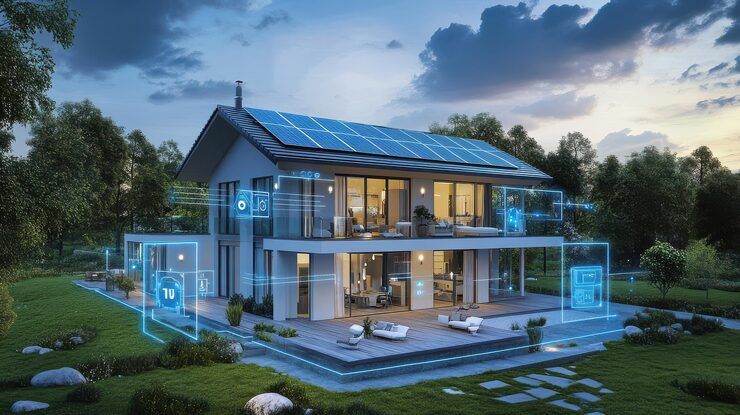
This guide explains what energy-efficient homes are, how they work, and practical ways to improve energy performance in both new and existing homes.
What Are Energy-Efficient Homes?
Energy-efficient homes are homes designed to use less energy for heating, cooling, lighting, and everyday household activities. Instead of wasting energy, these homes make better use of available resources through improved construction methods, efficient equipment, and smart household practices.
An energy-efficient home aims to:
- Reduce unnecessary energy consumption
- Maintain comfortable indoor temperatures
- Improve indoor air quality
- Support responsible use of natural resources
- Lower environmental impact
These improvements can benefit apartments, townhouses, and detached houses alike.
Why Energy Efficiency Matters
Energy is used throughout the day for lighting, cooking, heating water, cooling rooms, charging devices, and operating appliances. When homes use energy more efficiently, fewer resources are needed to provide the same level of comfort.
Some common advantages include:
- More consistent indoor temperatures
- Reduced strain on heating and cooling equipment
- Improved indoor comfort throughout different seasons
- Lower greenhouse gas emissions
- Reduced overall energy consumption
Even modest improvements can contribute to noticeable long-term results.
Features of Energy-Efficient Homes
Modern energy-efficient homes often include several design features working together.
Effective Insulation
Insulation helps keep warm air inside during colder months and blocks excessive heat during warmer periods. Proper insulation in walls, ceilings, roofs, and floors reduces unnecessary heat transfer.
Common insulation materials include:
- Fiberglass
- Mineral wool
- Cellulose
- Spray foam
- Rigid foam boards
Choosing suitable insulation depends on the home's design and local climate.
High-Performance Windows
Windows influence indoor temperature more than many people realize. Older windows may allow unwanted heat transfer and air leaks.
Energy-efficient windows often include:
- Double or triple glazing
- Low-emissivity (Low-E) coatings
- Insulated frames
- Improved sealing around edges
These features help maintain a stable indoor environment throughout the year.
Proper Air Sealing
Tiny gaps around doors, windows, vents, and utility openings allow conditioned air to escape. Air sealing helps reduce these leaks and improves overall efficiency.
Weatherstripping and caulking are commonly used to seal small openings.
Heating and Cooling Efficiency
Heating and cooling systems usually account for a significant share of household energy use.
Improving efficiency may involve:
- Regular equipment maintenance
- Cleaning or replacing air filters
- Proper thermostat settings
- Well-designed duct systems
- Efficient heat pumps or air-conditioning units
Even simple maintenance routines can help equipment operate more effectively.
Energy-Efficient Lighting
Lighting technology has changed significantly over the past decade.
LED lighting uses much less electricity than traditional incandescent bulbs while lasting much longer.
Additional lighting practices include:
- Making greater use of natural daylight
- Turning lights off when rooms are empty
- Installing motion sensors in appropriate spaces
- Selecting suitable brightness levels instead of excessive illumination
These changes are simple to implement in almost any home.
Choosing Efficient Appliances
Many household appliances now include energy-saving features.
Examples include:
- Refrigerators
- Washing machines
- Dishwashers
- Water heaters
- Air conditioners
- Ceiling fans
Using appliances efficiently also contributes to reduced energy use. Running full loads in washing machines or dishwashers, for example, helps reduce unnecessary electricity and water consumption.
Smart Home Technology
Smart home devices help monitor and manage energy use more effectively.
Examples include:
- Smart thermostats
- Smart lighting controls
- Programmable timers
- Smart power strips
- Energy monitoring systems
These technologies help automate household routines and reduce energy waste without requiring constant attention.
Renewable Energy Integration
Some energy-efficient homes also incorporate renewable energy systems.
Solar panels are among the most common options. They convert sunlight into electricity that can support household energy needs.
Other renewable technologies include:
- Solar water heating
- Small wind systems in suitable locations
- Battery storage systems
- Solar-powered outdoor lighting
Renewable energy works particularly well when combined with strong energy-efficiency practices.
Water Efficiency Supports Energy Savings
Heating water requires energy. Using water more efficiently indirectly reduces energy consumption.
Helpful practices include:
- Low-flow showerheads
- Efficient faucets
- Water-saving toilets
- Repairing leaks promptly
- Using cold-water laundry cycles when appropriate
Reducing hot water use benefits both water conservation and energy efficiency.
Building Design Makes a Difference
The overall design of a home influences its energy performance.
Important design considerations include:
Orientation
Positioning windows to capture natural daylight while limiting excessive summer heat can improve comfort.
Natural Ventilation
Proper airflow helps cool indoor spaces naturally during suitable weather conditions.
Roof Design
Reflective roofing materials reduce heat absorption and help maintain cooler indoor temperatures.
Landscaping
Trees and vegetation provide shade that reduces direct sunlight on walls and windows during warmer months.
Everyday Habits That Save Energy
Technology alone does not determine energy efficiency. Daily habits also play an important role.
Examples include:
- Turning off unused electronics
- Unplugging chargers when not needed
- Closing curtains during hot afternoons
- Opening windows when outdoor temperatures are comfortable
- Adjusting thermostat settings according to the season
- Cleaning appliance filters regularly
Small actions repeated consistently can produce meaningful results over time.
Common Misunderstandings
Several misconceptions surround energy-efficient homes.
Myth: Only New Homes Can Be Energy Efficient
Older homes can also become more efficient through insulation improvements, upgraded windows, air sealing, and efficient appliances.
Myth: Large Renovations Are Always Necessary
Many improvements involve simple upgrades completed gradually over time.
Myth: Comfort Must Be Sacrificed
Energy efficiency is intended to improve indoor comfort while reducing unnecessary energy use.
Environmental Benefits
Energy-efficient homes contribute to environmental sustainability by reducing demand for electricity and heating fuels.
Lower energy consumption may help:
- Reduce greenhouse gas emissions
- Conserve natural resources
- Reduce air pollution associated with energy production
- Support long-term environmental goals
Individual households may appear small on their own, but collective improvements across communities can have a meaningful impact.
Planning Future Improvements
Homeowners and residents often improve efficiency one step at a time.
A practical approach may include:
- Identify areas where energy is commonly wasted.
- Improve insulation and air sealing.
- Upgrade lighting to LED technology.
- Replace older appliances as they reach the end of their lifespan.
- Consider smart energy controls.
- Evaluate renewable energy options if suitable.
Gradual improvements make energy efficiency more manageable and encourage long-term progress.
Conclusion
Energy-efficient homes combine thoughtful design, efficient equipment, and practical daily habits to reduce unnecessary energy use while maintaining a comfortable indoor environment. Improvements such as insulation, efficient lighting, smart controls, quality windows, and responsible energy use all contribute to better household performance.
Whether building a new home or improving an existing one, even small changes can support greater efficiency over time. Understanding how homes use energy allows individuals to make informed decisions that benefit comfort, resource conservation, and the environment.