Whether someone lives in an apartment or a large house, smart devices can often be added gradually without changing the entire home.
This guide explains what smart home technology is, how it works, its common features, benefits, challenges, and practical tips for getting started.
What Is Smart Home Technology?
Smart home technology refers to electronic devices and appliances that connect through the internet or a local wireless network. These devices can communicate with one another, respond to commands, and automate everyday household activities.
Many smart devices can be managed using a smartphone, tablet, voice assistant, or a dedicated control panel. Some systems also learn daily routines and perform certain actions automatically based on schedules or conditions.
The goal is not to replace people but to simplify routine household tasks.
How Smart Home Technology Works
A smart home typically includes three main parts:
- Smart devices such as lights, plugs, cameras, locks, and thermostats.
- A network connection, usually Wi-Fi or another wireless technology.
- A control system, often a mobile application or voice assistant.
When these components work together, they allow devices to exchange information and perform tasks automatically.
For example, a smart light can turn on when someone enters a room, or a thermostat can adjust the indoor temperature before family members arrive home.
Common Smart Home Devices
Many types of smart devices are available today, each designed for different household needs.
Smart Lighting
Smart lighting systems allow users to adjust brightness, schedule lighting times, or control lights remotely. Some lights can change color or respond to voice commands.
Smart Thermostats
Smart thermostats help manage indoor temperatures based on schedules, weather conditions, or room occupancy. They can improve comfort while supporting more efficient energy use.
Smart Security Cameras
Connected security cameras allow homeowners to monitor entrances, gardens, garages, and other areas using a mobile device. Motion detection and notifications help users stay informed about activity around the property.
Smart Door Locks
Digital locks provide secure access through mobile apps, keypad codes, or fingerprint recognition instead of traditional keys.
Smart Speakers
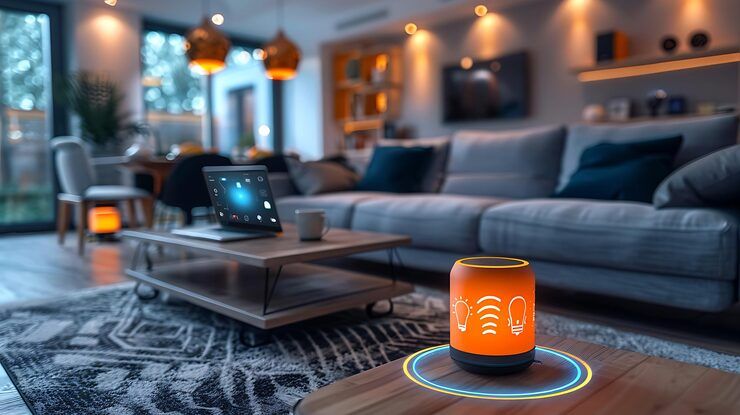
Smart speakers act as voice-controlled assistants. They can answer questions, control compatible devices, play music, set reminders, and manage daily routines.
Smart Plugs
Smart plugs transform standard electrical outlets into connected outlets. Users can schedule when connected appliances turn on or off.
Benefits of Smart Home Technology
Many households adopt smart home technology because it simplifies everyday routines.
Increased Convenience
Tasks such as adjusting lights, checking door locks, or changing room temperature can often be completed without walking from room to room.
Automation also reduces the need to remember repetitive daily activities.
Improved Energy Management
Smart lighting and thermostats help reduce unnecessary energy use by operating only when needed.
For example, lights can automatically switch off when rooms are empty, while heating or cooling systems adjust according to daily schedules.
Better Home Security
Connected cameras, sensors, and smart locks provide additional awareness of household activity.
Real-time alerts allow homeowners to check unusual events even when they are away from home.
Greater Accessibility
Voice commands make many smart devices easier to use for older adults or individuals with limited mobility.
Simple voice instructions can control lighting, entertainment systems, and household appliances.
Challenges to Consider
Although smart home technology provides many advantages, there are also important considerations.
Internet Dependence
Many smart devices rely on an internet connection. If the connection becomes unavailable, some remote features may temporarily stop working.
Privacy Considerations
Connected devices collect information to perform their functions. Understanding privacy settings and reviewing device permissions helps users manage personal information responsibly.
Device Compatibility
Not every smart device works with every platform. Before adding new equipment, it is helpful to confirm compatibility with existing devices.
Learning Curve
People who are unfamiliar with connected technology may need a little time to become comfortable using new applications and automation features.
Fortunately, many manufacturers include simple setup instructions that guide users through the installation process.
Smart Home Automation in Everyday Life
Automation allows devices to perform actions without requiring manual input every time.
Some everyday examples include:
- Lights turning on automatically at sunset.
- Heating systems are adjusting before people wake up.
- Doors lock automatically at night.
- Security cameras activate when everyone leaves home.
- Smart plugs are switching appliances off according to schedules.
These small automations can make daily routines feel more organized.
Tips for Getting Started
Starting with smart home technology does not require installing many devices at once.
A gradual approach often makes the experience easier.
Helpful starting points include:
- Begin with one or two devices, such as smart bulbs or smart plugs.
- Choose products that work with the same ecosystem.
- Keep device software updated.
- Create strong passwords for connected accounts.
- Learn basic automation features before adding more devices.
Building a smart home step by step allows users to understand each feature before expanding the system.
Future Trends in Smart Home Technology
Smart home technology continues to evolve as artificial intelligence and connected devices become more capable.
Future developments may include:
- More advanced voice interaction.
- Improved energy management through intelligent automation.
- Stronger integration between household appliances.
- Better predictive maintenance for home equipment.
- Increased use of environmental sensors that respond to indoor conditions.
As technology develops, smart homes are expected to become more responsive while remaining easier for everyday users to manage.
Choosing Smart Devices Carefully
When selecting smart devices, several practical factors are worth considering.
Look for products that receive regular software updates and clearly explain their privacy settings. Compatibility with existing devices can reduce setup challenges later. Reading user documentation also helps people understand available features before installation.
Taking time to compare device capabilities ensures that each addition fits naturally into the home rather than creating unnecessary complexity.
Conclusion
Smart home technology is becoming a practical part of modern living. Connected devices simplify daily routines, improve home awareness, support energy management, and provide greater convenience for many households.
While every home has different needs, starting with a few simple devices allows people to experience connected living without feeling overwhelmed. Understanding how smart systems work, paying attention to privacy settings, and choosing compatible devices can help create a reliable and comfortable smart home environment.
As technology continues to develop, smart homes will likely become an even more familiar part of everyday life, helping people manage household tasks with greater ease while keeping control firmly in their hands.