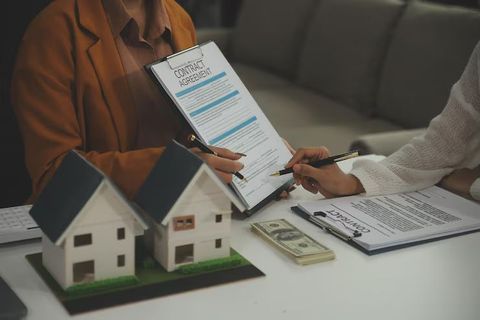
Fraud can happen in different ways. It may involve fake property listings, forged documents, identity theft, false ownership claims, or payment scams. These situations can create financial loss, emotional stress, and legal complications. Understanding common warning signs and following careful verification steps can make a significant difference.

This guide explains common types of real estate fraud, warning signs, practical prevention methods, and what to do if something seems suspicious.
Understanding Real Estate Fraud
Real estate fraud refers to dishonest actions intended to deceive people during a property transaction. These activities often involve false information, forged paperwork, or misleading communication designed to gain money or property unlawfully.
Modern technology has made communication easier, but it has also created new opportunities for scammers. Fake emails, cloned websites, altered documents, and identity theft can appear convincing. Because of this, verifying information has become more important than ever.
Fraud does not affect only experienced investors or large organizations. Individuals purchasing their first home, families relocating, landlords, and tenants can all become targets.
Common Types of Real Estate Fraud
Understanding the different forms of fraud makes them easier to recognize.
Fake Property Listings
Some scammers publish advertisements for properties they do not own or manage. These listings may include attractive photographs copied from legitimate sources and unrealistic pricing intended to attract attention quickly.
Victims may be asked to transfer money before visiting the property or confirming ownership.
Title Fraud
Title fraud happens when someone illegally changes ownership records using forged documents or stolen identities. This can create serious legal problems that may take significant time to resolve.
Identity Theft
Personal information collected through phishing emails or fake forms may be used to impersonate property owners or transaction participants.
Identity theft can affect paperwork, financing applications, and ownership records.
Wire Transfer Scams
Fraudsters sometimes send emails pretending to represent lawyers, agents, or financial institutions. They provide false payment instructions shortly before scheduled transfers.
Because these messages often appear authentic, people may unknowingly send funds to fraudulent accounts.
Rental Fraud
Scammers advertise homes they do not control and request deposits before allowing viewings. After receiving payment, they disappear, leaving victims without access to the property.
Warning Signs That Should Not Be Ignored
Although every situation is different, several warning signs appear repeatedly in fraud cases.
- Pressure to make immediate decisions.
- Requests for payment before verification.
- Unusual communication methods.
- Poorly written emails containing urgent requests.
- Missing or incomplete ownership documents.
- Prices that appear much lower than similar properties.
- Refusal to arrange an in-person viewing.
- Frequent changes in payment instructions.
- Contact information that does not match official records.
One warning sign alone does not always indicate fraud, but multiple warning signs deserve careful attention.
How to Verify Property Information
Verification is one of the simplest ways to reduce risk.
Begin by confirming ownership through local property records whenever possible. Compare the owner's name with documents provided during the transaction.
Review property addresses carefully. Even small spelling differences or incorrect numbers may indicate inaccurate information.
Search for previous listings and compare photographs. Images appearing across unrelated advertisements may suggest copied content.
If documents appear altered, incomplete, or inconsistent, request clarification before moving forward.
Protecting Personal Information
Personal information is valuable to criminals.
Avoid sharing identification documents through unsecured communication channels. Store important paperwork in secure locations and limit access to trusted individuals directly involved in the transaction.
Use strong passwords for email accounts because many fraud attempts begin with compromised email access.
Enable two-factor authentication whenever available. This additional security step makes unauthorized access more difficult.
Regularly review financial statements and credit reports for unexpected activity.
Safe Communication Practices
Communication plays a major role in preventing fraud.
Whenever payment instructions change unexpectedly, confirm the information using a trusted phone number obtained independently rather than replying directly to an email.
Be cautious of messages that create unnecessary urgency. Fraudsters often encourage quick decisions before someone has time to verify details.
Save copies of important emails, contracts, receipts, and communication records throughout the transaction.
Document Review Matters
Every document deserves careful attention.
Read contracts completely before signing. Confirm names, addresses, property descriptions, dates, and financial information.
Look for missing pages, handwritten changes, or inconsistent signatures.
If something appears confusing, ask questions until every section is understood.
Keeping organized copies of documents also helps if questions arise later.
Technology and Modern Fraud
Digital tools have simplified many parts of real estate transactions, but scammers also use technology creatively.
Fake websites can closely resemble legitimate platforms.
Artificial intelligence may produce convincing messages or realistic voice recordings.
Deepfake videos and altered identification documents continue to improve in quality, making verification even more important.
Rather than relying on a single communication method, confirm important information through multiple trusted sources.
Practical Habits That Reduce Risk
Developing careful habits helps strengthen protection throughout the transaction.
- Verify identities before sharing sensitive information.
- Compare information across multiple documents.
- Keep personal records organized.
- Review payment details carefully.
- Save communication history.
- Double-check account numbers before transferring funds.
- Research unfamiliar organizations or individuals.
- Remain cautious when someone creates unnecessary urgency.
These habits require only a small amount of extra time but can significantly reduce the likelihood of mistakes.
What to Do if Fraud Is Suspected
If something feels unusual, pause the transaction until the concern is investigated.
Avoid sending additional money or personal information.
Collect copies of emails, receipts, contracts, screenshots, and other supporting materials.
Notify the appropriate financial institution immediately if money has already been transferred. Quick reporting may improve the possibility of limiting additional damage.
Identity theft concerns should also be reported promptly so protective steps can begin as early as possible.
Maintaining detailed records helps investigators understand what occurred.
Helping Family Members Stay Protected
Many fraud attempts target people who may be less familiar with modern online scams.
Discuss common warning signs with family members before they begin a property transaction.
Encourage everyone to verify unexpected messages independently.
Simple conversations about safe communication and document verification can help prevent misunderstandings and reduce unnecessary risk.
Building Confidence Through Awareness
Real estate transactions involve many documents, conversations, and financial decisions. Although fraud methods continue to evolve, awareness remains one of the strongest forms of protection.
Taking time to verify information, reviewing documents carefully, protecting personal information, and confirming payment instructions through trusted channels all contribute to a safer experience.
No single precaution prevents every type of fraud, but combining several careful habits creates a stronger defense against deception. Staying informed and remaining attentive throughout each step helps people approach property transactions with greater confidence and reduced risk.