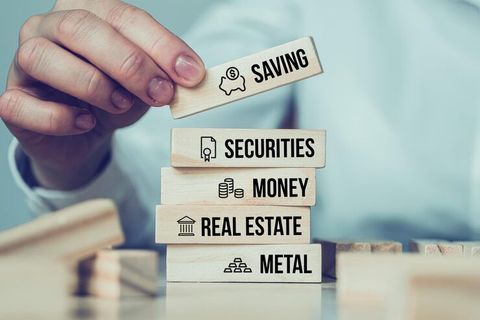
Economic conditions, local demand, maintenance needs, legal requirements, and financing arrangements all play a role. Learning about these risks does not mean avoiding property investment altogether. Instead, it helps people prepare for situations that may arise over time.
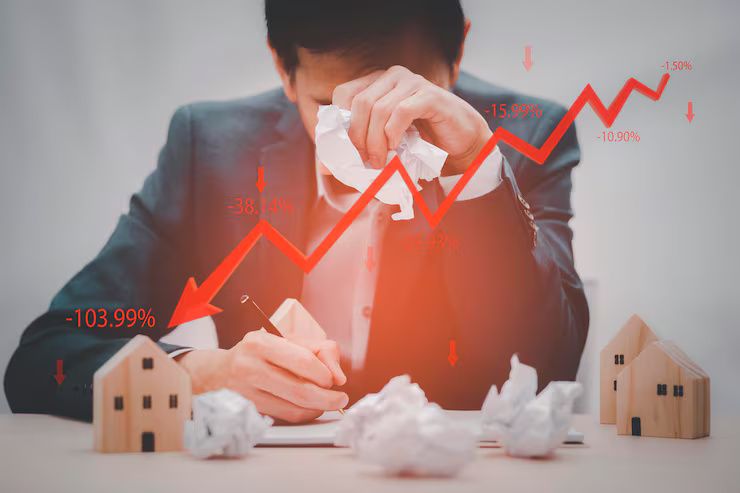
This guide explains the common property investment risks in simple language and shares practical ways to manage them.
Understanding Property Investment Risks
Property investment risks are the uncertainties that may affect the value, income, or long-term performance of a property. Some risks are easy to identify, while others appear gradually as market conditions change.
Every property is different. A city apartment may face different challenges than a suburban house or a commercial building. Even properties located in the same neighborhood can experience different outcomes depending on maintenance, location, and tenant demand.
Recognizing these differences is an important step toward making informed financial decisions.
Market Risk
One of the most common property investment risks is market risk. Property values do not always move in one direction. Prices may rise during periods of strong demand and decline when economic activity slows.
Several factors influence market conditions, including:
- Interest rate changes
- Population movement
- Local economic growth
- Housing supply
- Consumer confidence
A property purchased during a period of rapid price growth may experience slower appreciation if market conditions change later.
Monitoring long-term trends instead of focusing only on short-term price movements provides a more balanced perspective.
Location Risk
Location plays an important role in property performance.
A neighborhood that appears attractive today may experience changes in the future. Population shifts, transportation projects, zoning changes, or business activity can all influence property values.
Some examples include:
- Reduced local employment opportunities
- Changing infrastructure plans
- Increased housing supply
- Environmental concerns
- School district changes
Researching both current conditions and future development plans helps create a clearer understanding of potential location-related risks.
Vacancy Risk
Rental properties depend on consistent occupancy.
Periods without tenants may reduce rental income while ongoing expenses continue. These expenses can include loan payments, taxes, insurance, maintenance, and utility bills.
Vacancy risk may increase because of:
- High competition
- Seasonal demand changes
- Local economic downturns
- Population decline
- Poor property condition
Maintaining a property and understanding local rental demand can help reduce extended vacancy periods.
Maintenance and Repair Risk
Every property requires ongoing care.
Roofs age, plumbing systems wear out, heating and cooling equipment eventually need attention, and exterior materials require maintenance.
Unexpected repairs may affect investment returns if owners are not financially prepared.
Common maintenance concerns include:
- Roof replacement
- Plumbing repairs
- Electrical issues
- Foundation movement
- Water damage
- Heating and cooling systems
Setting aside funds for routine maintenance can make these situations easier to manage.
Financial Risk
Many property investments involve borrowed money.
While financing can make property ownership possible, loan repayments continue regardless of changes in rental income or market conditions.
Financial risk may increase when:
- Interest rates rise
- Income decreases
- Unexpected repairs occur
- Vacancy periods become longer
- Personal financial circumstances change
Carefully reviewing repayment plans and maintaining financial flexibility can help reduce pressure during uncertain periods.
Legal and Regulatory Risk
Property ownership involves legal responsibilities.
Rules related to rental housing, taxes, building standards, environmental regulations, and zoning requirements may change over time.
Ignoring legal obligations can result in financial penalties or delays.
Areas that often require attention include:
- Property taxes
- Building permits
- Rental regulations
- Safety requirements
- Environmental compliance
- Local zoning laws
Keeping up with changing regulations helps property owners avoid unnecessary complications.
Natural Disaster Risk
Weather events and natural disasters can affect property in many regions.
Floods, earthquakes, hurricanes, wildfires, storms, and landslides may result in significant property damage.
The level of risk depends largely on geographic location.
Before investing, it is helpful to understand:
- Flood history
- Earthquake zones
- Storm frequency
- Fire-prone areas
- Local emergency planning
Appropriate insurance coverage may help reduce financial exposure when unexpected events occur.
Economic Risk
The wider economy influences nearly every property market.
During periods of economic growth, demand for housing and commercial space often increases. During slower economic periods, demand may weaken.
Economic conditions may affect:
- Property values
- Rental demand
- Vacancy rates
- Construction activity
- Consumer confidence
Since economic cycles naturally change over time, viewing property investment as a long-term commitment often provides a more balanced outlook.
Liquidity Risk
Unlike stocks or some other financial assets, property is not always easy to convert into cash quickly.
Finding a suitable purchaser may take weeks or months depending on market conditions.
This slower process can become challenging if funds are needed unexpectedly.
Liquidity risk is an important consideration for anyone who may need financial flexibility in the future.
Inflation Risk
Inflation affects both property income and expenses.
Construction materials, maintenance, insurance, utilities, and taxes may become more expensive over time.
While property values sometimes increase alongside inflation, this relationship is not always consistent.
Understanding how inflation affects ongoing ownership expenses helps create more realistic financial expectations.
Tenant-Related Risk
Rental properties depend heavily on responsible tenants.
Challenges may include:
- Late rent payments
- Property damage
- Lease disputes
- Early move-outs
- Poor property care
Careful tenant screening, clear lease agreements, and regular communication can reduce many common issues.
Construction and Development Risk
New developments can change the surrounding area.
Sometimes additional infrastructure increases property appeal. In other situations, a large increase in housing supply may reduce rental demand or influence property prices.
Construction projects may also create temporary disruptions such as traffic, noise, or limited access.
Reviewing local planning information provides valuable insight into future neighborhood changes.
Tax Risk
Tax policies can change over time.
Property owners may experience changes in:
- Property tax rates
- Capital gains taxation
- Rental income taxation
- Local government charges
Understanding current tax regulations and monitoring policy updates helps prevent unexpected financial surprises.
Emotional Decision Risk
Property investment decisions sometimes become emotional instead of practical.
People may focus on attractive design features while overlooking important financial or structural concerns.
Examples include:
- Ignoring inspection findings
- Assuming prices will always rise
- Following market excitement
- Rushing important decisions
Taking time to review facts, compare options, and evaluate long-term goals supports more balanced decision-making.
Ways to Reduce Property Investment Risks
Although risk cannot be completely removed, thoughtful planning can make many situations easier to manage.
Helpful approaches include:
- Research local market conditions carefully.
- Understand neighborhood development plans.
- Maintain an emergency financial reserve.
- Schedule regular property inspections.
- Keep accurate financial records.
- Review insurance coverage periodically.
- Stay informed about legal requirements.
- Think long term rather than reacting to short-term market changes.
These habits support more informed property management over time.
Final Thoughts
Property investment can become part of a long-term financial strategy, but it also involves many different risks. Market changes, maintenance needs, financing, legal responsibilities, and economic conditions all influence investment outcomes.
No property is completely without uncertainty. However, understanding common property investment risks helps people make informed decisions and prepare for changing circumstances. Careful planning, regular research, and realistic expectations can contribute to a more balanced approach to property ownership over the years.