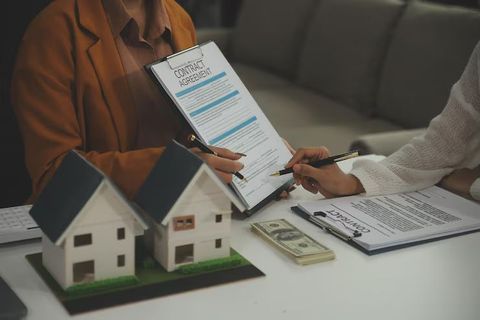
Understanding how lease agreements work can help reduce misunderstandings and make the rental experience smoother. Whether someone is renting an apartment, a house, or a commercial space, knowing what a lease contains makes it easier to understand the commitments involved.
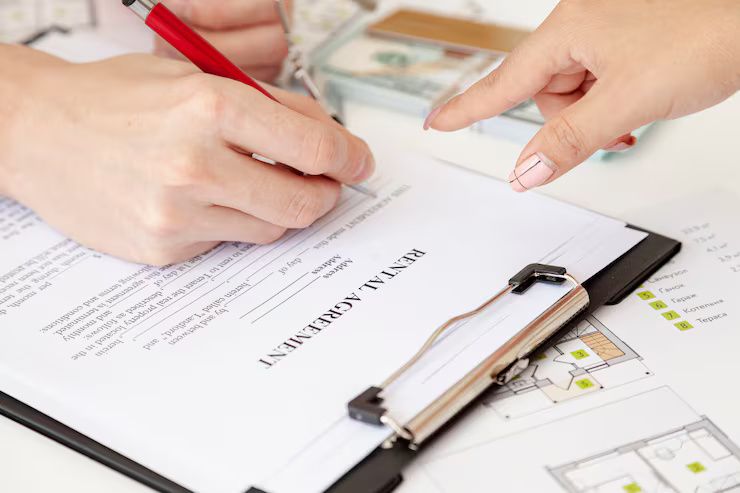
This guide explains the purpose of lease agreements, their common sections, different types, and practical points to review before signing.
What Is a Lease Agreement?
A lease agreement is a written legal contract between a property owner and a tenant. It explains the terms under which a property can be occupied for a specific period. The agreement also describes what each party is expected to do during the lease.
Unlike a short-term rental arrangement, a lease often covers several months or even multiple years. During that time, the conditions stated in the document generally remain in effect unless both parties agree to changes or local laws require adjustments.
A carefully written lease creates a reference point if questions arise during the rental period.
Why Lease Agreements Matter
A lease agreement provides structure and clarity. Instead of relying on verbal discussions, everything is documented in writing.
Some important reasons lease agreements matter include:
- They define the rental period.
- They explain payment schedules.
- They describe maintenance responsibilities.
- They outline property rules.
- They explain procedures if either party wishes to end the lease.
- They help reduce confusion by documenting expectations.
Having written terms makes it easier to understand responsibilities throughout the rental relationship.
Common Sections Found in Lease Agreements
Although lease agreements vary depending on location and property type, many contain similar sections.
Names of the Parties
The agreement identifies the property owner and every tenant who will occupy the property. Listing all occupants helps clarify who is responsible under the contract.
Property Description
The lease identifies the rental property. This may include:
- Street address
- Apartment or unit number
- Parking spaces
- Storage areas
- Shared facilities, if applicable
A clear property description helps prevent misunderstandings.
Lease Duration
Every lease specifies how long it remains active.
Common examples include:
- Six-month lease
- Twelve-month lease
- Multi-year lease
- Month-to-month arrangement
The beginning and ending dates are usually stated clearly.
Rent Details
This section explains:
- Monthly rent amount
- Due date
- Accepted payment methods
- Late payment rules
Understanding these details helps tenants stay on schedule with payments.
Security Deposit
Many lease agreements include a security deposit section. It explains:
- Deposit amount
- Conditions for deductions
- Inspection procedures
- Return process after the lease ends
Local regulations often determine how security deposits must be handled.
Maintenance Responsibilities
Lease agreements often divide maintenance responsibilities between the property owner and the tenant.
Examples may include:
Property owner responsibilities:
- Structural repairs
- Plumbing systems
- Electrical systems
- Heating or cooling equipment
Tenant responsibilities:
- Keeping the property clean
- Reporting maintenance concerns promptly
- Avoiding unnecessary damage
- Following property rules
Clearly assigning responsibilities helps avoid confusion later.
Types of Lease Agreements
Different situations may require different lease structures.
Fixed-Term Lease
A fixed-term lease remains active for a specific period, such as one year.
The conditions usually remain unchanged until the lease expires unless both parties agree otherwise.
Month-to-Month Lease
This type renews automatically every month until either party provides proper notice according to local regulations.
It provides greater flexibility than a fixed-term lease.
Commercial Lease
Commercial leases apply to business properties such as offices, warehouses, or retail spaces.
These agreements often contain additional clauses covering maintenance, insurance, property improvements, and permitted business activities.
Sublease Agreement
A sublease occurs when the original tenant allows another person to occupy part or all of the property for a period allowed by the original lease.
Many lease agreements require written approval before subleasing.
Important Lease Clauses to Review
Reading every section carefully can help tenants understand their responsibilities.
Some important clauses include:
Renewal Terms
Some leases automatically renew unless notice is provided before expiration.
Others require signing an entirely new agreement.
Understanding renewal rules helps avoid unexpected extensions.
Early Termination
Life circumstances sometimes change unexpectedly.
Many leases explain:
- Required notice period
- Conditions for ending the lease early
- Financial responsibilities after termination
Knowing these conditions before signing is helpful.
Property Rules
Lease agreements often contain rules regarding:
- Noise levels
- Parking
- Smoking
- Pets
- Property alterations
- Shared spaces
These rules help maintain a consistent living environment.
Utility Responsibilities
The lease usually explains who is responsible for utilities such as:
- Electricity
- Water
- Gas
- Internet
- Waste collection
This information helps tenants understand their ongoing monthly expenses.
Reading a Lease Carefully
Signing a lease should never feel rushed.
Before signing, it is helpful to review:
- Rental period
- Payment schedule
- Maintenance responsibilities
- Deposit conditions
- Renewal terms
- Notice requirements
- Property restrictions
Taking time to understand the document may prevent future misunderstandings.
Questions Worth Asking Before Signing
If any section seems unclear, asking questions before signing can be helpful.
Examples include:
- How are maintenance requests handled?
- Which utilities are included?
- What happens if repairs are needed?
- What notice is required before moving out?
- Are guests subject to any restrictions?
- Are parking spaces assigned?
Clear communication often supports a smoother rental experience.
Common Mistakes People Make
Many lease-related problems begin with overlooked details.
Some common mistakes include:
Ignoring small clauses.
Even short paragraphs may contain important responsibilities.
Not documenting property condition.
Taking photographs before moving in creates a record of the property's condition.
Assuming verbal discussions replace written terms.
Only written lease provisions generally carry legal weight.
Missing important deadlines.
Renewal notices, payment dates, and move-out notifications should be tracked carefully.
Failing to keep a signed copy.
Keeping a personal copy makes future reference much easier.
Can Lease Agreements Be Changed?
Yes. Lease agreements can sometimes be modified if both parties agree.
Changes are usually documented through a written amendment rather than informal conversations.
Examples include:
- Adding another tenant
- Updating parking arrangements
- Adjusting lease duration
- Revising property rules
Written documentation helps maintain clarity.
Understanding Local Laws
Lease agreements work alongside local housing regulations.
Different regions may have different rules regarding:
- Tenant rights
- Property owner responsibilities
- Notice periods
- Security deposits
- Eviction procedures
- Property maintenance standards
Understanding local requirements helps both parties follow applicable regulations.
Digital Lease Agreements
Many property owners now use electronic lease agreements.
Electronic signatures are recognized in many regions when they meet applicable legal requirements.
Digital documents often provide easier storage, sharing, and retrieval than paper copies.
Regardless of the format, reading every section remains equally important.
Keeping Lease Records
Maintaining organized records can simplify future communication.
Useful documents include:
- Signed lease agreement
- Payment receipts
- Maintenance requests
- Inspection reports
- Written correspondence
- Lease amendments
Organized records may help resolve questions if they arise later.
Conclusion
Lease agreements are more than routine paperwork. They establish clear expectations, define responsibilities, and provide a written framework for the rental relationship. Understanding the different sections of a lease, reviewing important clauses carefully, and becoming familiar with local regulations can help tenants and property owners navigate rental arrangements with greater confidence.
Taking the time to read every part of a lease agreement, asking questions when needed, and keeping organized records are practical habits that support a smoother rental experience. A well-understood lease creates clarity from the beginning and helps reduce confusion throughout the rental period.