In recent years, the importance of seasonal maintenance has increased due to climate variability, urban density, and rising repair costs. Homeowners are now more exposed to unpredictable weather patterns such as heavy rainfall, extreme heatwaves, and fluctuating humidity levels. These factors accelerate wear and tear on infrastructure, making preventive maintenance more critical than reactive repairs.
Additionally, data-driven home care practices are gaining traction. Smart home devices, predictive maintenance tools, and energy monitoring systems are enabling homeowners to identify issues early. As a result, seasonal maintenance is evolving from a checklist-based activity into a proactive strategy that minimizes long-term costs and enhances property value.
Who It Affects and What Problems It Solves
Seasonal home maintenance primarily affects homeowners, tenants, property managers, and real estate investors. Each group has different responsibilities, but all share a common goal: maintaining a safe and functional living environment. For homeowners, regular upkeep protects their investment and reduces unexpected repair expenses. Tenants benefit from improved comfort and safety, while landlords and property managers use maintenance routines to retain property value and reduce vacancy risks.
In urban areas, especially in regions with diverse climates, seasonal maintenance becomes even more relevant. For example, homes in coastal or high-humidity zones require frequent checks for mold and corrosion, while properties in dry regions must address dust accumulation and water conservation systems.
Problems It Solves
- Prevents structural damage caused by weather exposure
- Reduces energy inefficiency due to poor insulation or leaks
- Minimizes health risks such as mold, dampness, and poor air quality
- Avoids costly emergency repairs through early detection
- Enhances the durability of appliances and home systems
Recent Updates and Trends
Over the past year, several trends have influenced how homeowners approach seasonal maintenance:
Smart Maintenance Technologies
Smart sensors for leak detection, air quality monitoring, and energy usage tracking are becoming more accessible. These tools help identify problems before they escalate.
Climate-Adaptive Maintenance
With increasing climate unpredictability, homeowners are adapting maintenance schedules based on real-time weather patterns rather than fixed calendars.
Sustainable Practices
There is a growing emphasis on eco-friendly maintenance, such as rainwater harvesting, solar panel cleaning, and energy-efficient insulation upgrades.
Preventive Maintenance Awareness
Insurance providers and housing authorities are encouraging preventive maintenance to reduce claims related to structural damage and system failures.
Rising Material and Labor Costs
Maintenance planning has become more strategic due to increased costs, pushing homeowners to prioritize tasks based on urgency and impact.
Seasonal Maintenance Comparison Table
| Season | Key Tasks | Primary Risks Addressed | Frequency | Tools Required |
|---|---|---|---|---|
| Spring | Roof inspection, drainage cleaning | Water damage, leaks | Annual | Ladder, sealants |
| Summer | HVAC servicing, exterior painting | Heat damage, energy inefficiency | Bi-annual | Thermometer, paint tools |
| Monsoon | Waterproofing, gutter cleaning | Dampness, mold growth | Seasonal | Waterproof coatings |
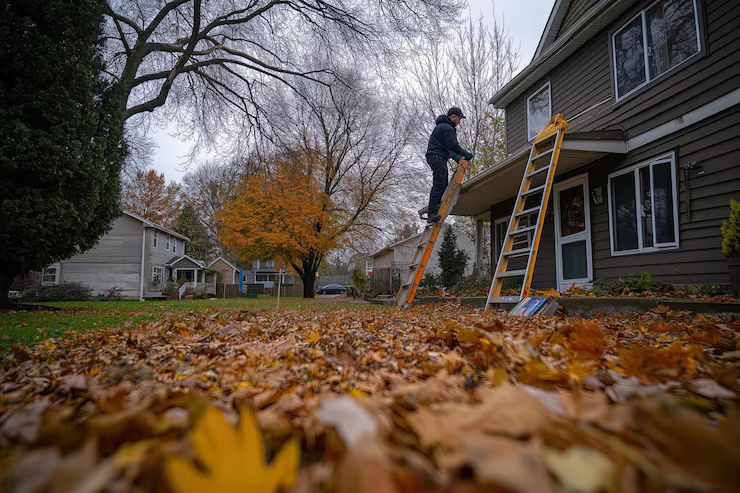
| Autumn | Leaf removal, insulation check | Blockages, heat loss | Annual | Rake, insulation materials |
| Winter | Pipe insulation, heater servicing | Freezing, system breakdown | Seasonal | Pipe wraps, service kits |
Laws and Policies
Seasonal home maintenance is indirectly influenced by building regulations, safety codes, and environmental policies. In countries like India, local municipal authorities often issue guidelines related to drainage systems, structural safety, and waste management.
Regulatory Influence
- Building Codes: Require proper insulation, ventilation, and structural integrity
- Water Management Rules: Encourage rainwater harvesting and proper drainage
- Energy Efficiency Standards: Promote the use of efficient appliances and insulation
- Safety Regulations: Mandate electrical and fire safety checks
Practical Guidance
- In flood-prone areas, prioritize waterproofing and drainage compliance
- In urban zones, adhere to waste disposal and sanitation rules during seasonal cleaning
- For older buildings, follow structural audit guidelines issued by local authorities
- Use certified professionals for electrical and gas system inspections
Understanding these policies helps homeowners avoid penalties and ensures long-term safety.
Tools and Resources
Effective seasonal maintenance relies on a combination of manual tools and digital resources. The following tools can assist in planning and execution:
Physical Tools
- Basic toolkits (hammer, screwdriver, wrench)
- Moisture meters for detecting dampness
- Insulation materials and sealants
- Cleaning equipment (pressure washers, vacuums)
Digital Tools and Apps
- Home maintenance scheduling apps
- Energy consumption trackers
- Weather forecasting platforms
- Inventory management tools for household items
Online Resources
- Government housing portals
- DIY maintenance guides and tutorials
- Maintenance checklists and templates
- Local service directories
These resources help streamline maintenance tasks and improve efficiency.
Frequently Asked Questions
What is seasonal home maintenance?
Seasonal home maintenance involves performing specific upkeep tasks throughout the year based on changing weather conditions to maintain safety and efficiency.
How often should seasonal maintenance be done?
Most tasks are performed annually or seasonally, but some systems, like HVAC, may require bi-annual servicing.
Why is seasonal maintenance important?
It helps prevent costly repairs, improves energy efficiency, and ensures a safe living environment.
Can seasonal maintenance reduce energy bills?
Yes, proper insulation, sealing leaks, and maintaining HVAC systems can significantly improve energy efficiency.
Is professional help necessary for all tasks?
Not always. Basic tasks can be DIY, but specialized work like electrical or structural repairs should be handled by professionals.
Conclusion
Seasonal home maintenance is a structured, proactive approach to preserving property value and ensuring long-term safety. Data-driven insights suggest that preventive maintenance can reduce repair costs significantly compared to reactive fixes. With rising environmental challenges and infrastructure demands, homeowners are increasingly adopting systematic maintenance strategies.
By aligning maintenance tasks with seasonal changes, using modern tools, and adhering to regulatory guidelines, individuals can effectively manage risks and optimize home performance. The most practical approach is to combine routine inspections with technology-enabled monitoring, ensuring that issues are identified early and addressed efficiently.
A well-maintained home is not only more comfortable but also more resilient to changing environmental conditions—making seasonal maintenance a necessary and strategic practice rather than an optional task.