Learning about these topics helps readers understand why waterfront homes differ from inland properties.
This guide explains the basics of waterfront properties, common property types, important features, advantages, challenges, and practical considerations for anyone researching this category of real estate.
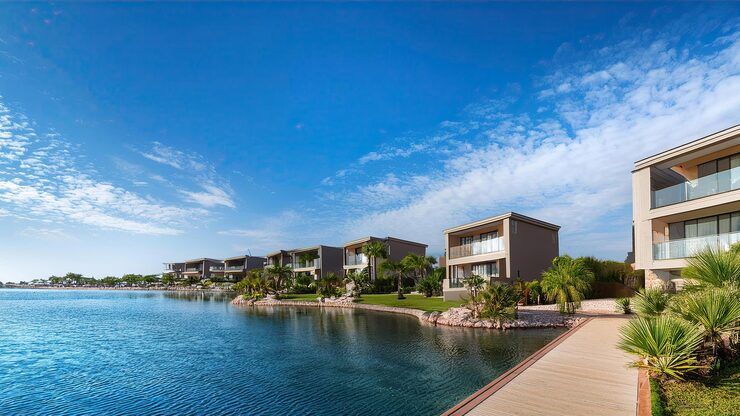
What Are Waterfront Properties?
Waterfront properties are homes, residential lots, or buildings located directly next to a natural or man-made body of water. Depending on the location, the property may have private shoreline access, shared access, or simply an unobstructed water view.
These properties can be found near:
- Oceans
- Seas
- Lakes
- Rivers
- Canals
- Bays
- Reservoirs
- Lagoons
Each location offers a different living experience based on climate, geography, and surrounding infrastructure.
Common Types of Waterfront Properties
Waterfront real estate comes in several forms, each with its own characteristics.
Oceanfront Properties
Oceanfront homes sit directly beside the sea. They often experience changing tides, salt air, and coastal weather conditions. Many feature beaches, cliffs, or dunes as part of the surrounding landscape.
Lakefront Properties
Lakefront homes are located along natural or artificial lakes. These areas are commonly associated with peaceful surroundings and recreational activities such as boating, fishing, and kayaking.
Riverfront Properties
Riverfront homes border flowing waterways. Their surroundings may change with seasonal water levels, making local flood information an important consideration.
Canal Properties
Canal homes are often found in planned residential communities. Many include private docks that allow convenient access for small boats.
Bayfront Properties
Bayfront homes overlook sheltered coastal waters. Compared with open ocean locations, bays may experience calmer water conditions depending on the region.
Key Features of Waterfront Properties
Although every property is unique, many waterfront homes share several common characteristics.
Water Access
Some properties provide direct shoreline access through private beaches, docks, or boat ramps. Others include shared community access.
Scenic Views
Large windows, outdoor patios, balconies, and terraces are frequently designed to maximize views of the surrounding water.
Outdoor Living Areas
Many waterfront homes include outdoor spaces that encourage enjoying the surrounding environment throughout the year.
Private Docks
In some locations, homeowners may have private docking facilities for boats or personal watercraft, subject to local regulations.
Natural Landscaping
Native plants, trees, wetlands, and coastal vegetation often become part of the property's overall setting.
Why Waterfront Properties Attract Interest
Many people appreciate waterfront homes for reasons that go beyond appearance.
Peaceful Environment
Waterfront settings often create a quieter atmosphere compared with densely developed urban neighborhoods.
Recreational Opportunities
Living close to the water may provide easier access to activities such as:
- Swimming
- Paddleboarding
- Sailing
- Fishing
- Canoeing
- Kayaking
- Bird watching
- Photography
Natural Light
Open water allows sunlight to reach surrounding areas more easily, creating bright indoor spaces during much of the day.
Connection With Nature
Many waterfront locations provide opportunities to observe wildlife, seasonal changes, and diverse ecosystems.
Important Factors to Consider
Before choosing a waterfront property, several practical considerations deserve careful attention.
Flood Risk
Some waterfront locations experience seasonal flooding, storm surges, or rising water levels. Reviewing local flood maps helps explain the property's exposure.
Shoreline Stability
Natural erosion may gradually affect shorelines over time. Some areas require protective measures to preserve land.
Weather Conditions
Coastal regions may experience hurricanes, tropical storms, or strong winds, while inland lakes may face heavy rainfall or ice during colder seasons.
Maintenance Requirements
Waterfront homes may require more frequent maintenance because moisture, humidity, salt air, and changing weather can affect building materials.
Examples include:
- Exterior painting
- Roof inspections
- Deck maintenance
- Corrosion prevention
- Window sealing
Insurance Considerations
Insurance needs often differ depending on flood zones, weather exposure, and regional regulations.
Environmental Considerations
Many waterfront communities are located near environmentally sensitive areas.
These may include:
- Wetlands
- Protected wildlife habitats
- Mangrove forests
- Coastal dunes
- River ecosystems
Local authorities may establish rules regarding construction, landscaping, vegetation removal, and shoreline modifications to protect these environments.
Understanding these guidelines helps preserve natural resources while supporting responsible development.
Waterfront Property Maintenance
Maintaining a waterfront home often involves regular inspections throughout the year.
Typical maintenance tasks include:
| Area | Common Maintenance |
|---|---|
| Roof | Inspect after storms |
| Exterior walls | Check for moisture damage |
| Decks | Clean and reseal periodically |
| Windows | Inspect seals and frames |
| Dock | Examine the structural condition |
| Landscaping | Control erosion and drainage |
Routine maintenance helps preserve the property's condition over time.
Understanding Shoreline Access
Not every waterfront property includes identical access rights.
Some examples include:
- Private shoreline ownership
- Shared community shoreline
- Easement access
- Public shoreline nearby
- Marina access
Property documents generally describe the legal access associated with each location.
Waterfront Communities
Waterfront neighborhoods vary widely depending on geography and local planning.
Some communities focus primarily on residential living, while others include parks, walking paths, marinas, restaurants, or recreational facilities.
Factors that influence community character include:
- Population density
- Transportation access
- Nearby schools
- Local regulations
- Seasonal tourism
- Environmental conservation efforts
Learning about the surrounding community provides valuable context beyond the individual property itself.
Climate and Seasonal Changes
Waterfront environments often change throughout the year.
Seasonal differences may affect:
- Water levels
- Wildlife activity
- Vegetation growth
- Shoreline conditions
- Recreational opportunities
- Weather patterns
Understanding local climate trends helps explain how the surrounding environment changes across different seasons.
Questions to Explore Before Choosing a Waterfront Property
Researching a waterfront property usually involves gathering information about several practical topics.
Helpful questions include:
- Is the shoreline privately owned?
- What are the local flood conditions?
- Are there environmental restrictions?
- How is shoreline maintenance managed?
- What weather patterns affect the area?
- Is dock construction permitted?
- What recreational activities are available nearby?
- How accessible is the property throughout the year?
These questions provide a broader understanding of the property's characteristics.
Future Trends in Waterfront Living
Waterfront communities continue to evolve as technology, environmental planning, and sustainable construction methods develop.
Emerging trends include:
- Improved flood-resistant building designs
- Environmentally conscious landscaping
- Energy-efficient home construction
- Smart monitoring systems for weather and water levels
- Shoreline conservation initiatives
These developments aim to balance residential living with long-term environmental protection.
Conclusion
Waterfront properties combine natural surroundings with unique residential experiences. Their appeal extends beyond attractive views, encompassing outdoor recreation, peaceful environments, and close connections with nature. At the same time, these properties require thoughtful consideration of maintenance, environmental regulations, weather conditions, and shoreline management.
By understanding the different types of waterfront properties, their features, and the responsibilities that accompany them, readers can develop a clearer understanding of this distinctive segment of real estate. Careful research and awareness of local conditions contribute to informed decision-making and a better appreciation of waterfront living.